Culture & Events
16\11\2026
Apokries in Greece: The Story Behind Carnival, Where to Go and What to Expect
Discover the traditions, flavors and celebrations of Greek Carnival — from the spectacular parades of Patras to traditional village customs and the first signs of spring.
If you visit Greece in February or early March, you may discover a different side of the country. Streets fill with music, people dress in colorful costumes, taverns become lively gathering places, and towns celebrate one of Greece’s most joyful traditions: Apokries, the Greek Carnival.
But Apokries is more than parades and parties. It is a celebration rooted in Greek culture, food, local identity and the Orthodox calendar.
So, where does it come from, how is it celebrated, and where should you go to experience it?
What is Apokries?
Apokries (Απόκριες) is the Greek Carnival season, traditionally lasting three weeks before the beginning of Great Lent in the Greek Orthodox calendar.
The name comes from apo (away from) and kreas (meat), referring to the period of abstaining from meat during Lent.
The celebrations reach their peak on the final weekend before Clean Monday (Kathara Deftera), which marks the beginning of Lent and the countdown to Orthodox Easter.
Today, Apokries remains an important part of Greek social life, bringing together families, friends and entire communities for costumes, music, food and festivities.
Where does Greek Carnival come from?
Carnival traditions are often associated with ancient seasonal celebrations and the worship of Dionysus, the ancient Greek god of wine, fertility and theater. These celebrations included feasting, music, masks and dancing.
Over centuries, these customs evolved and blended with Christian traditions and local influences, eventually becoming part of the modern Carnival season.
Today’s Apokries is not simply an unchanged ancient festival. Its traditions have developed over generations, which explains why celebrations differ so much between regions.
The traditions and customs you should know
Tsiknopempti – Smoky Thursday
One of the most popular days of Carnival. On the second to last Thursday before Lent families and friends gather around barbecues and in taverns to enjoy grilled meat, souvlaki and local wine. The name refers to the smoky smell filling the streets.
Costumes and street celebrations
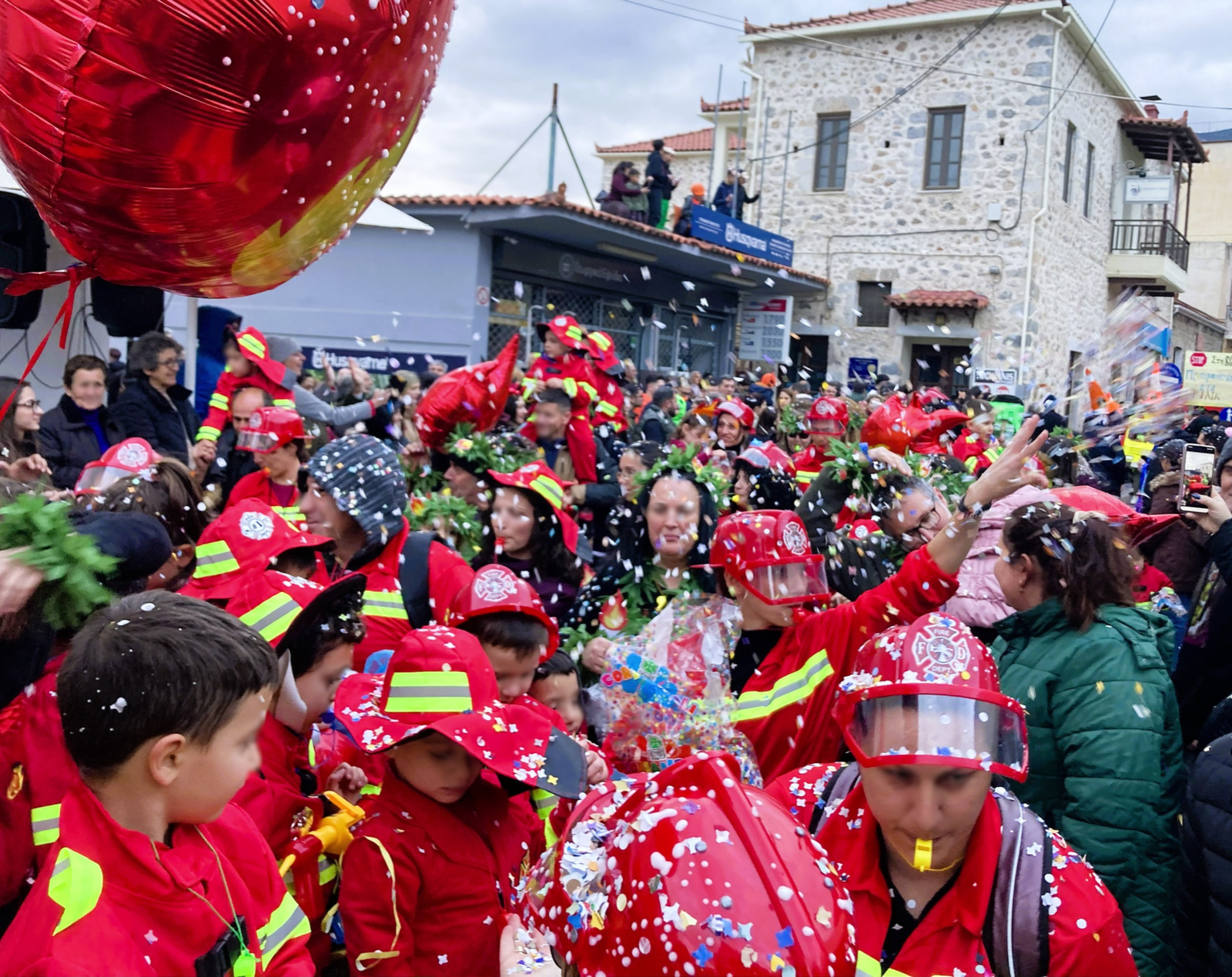
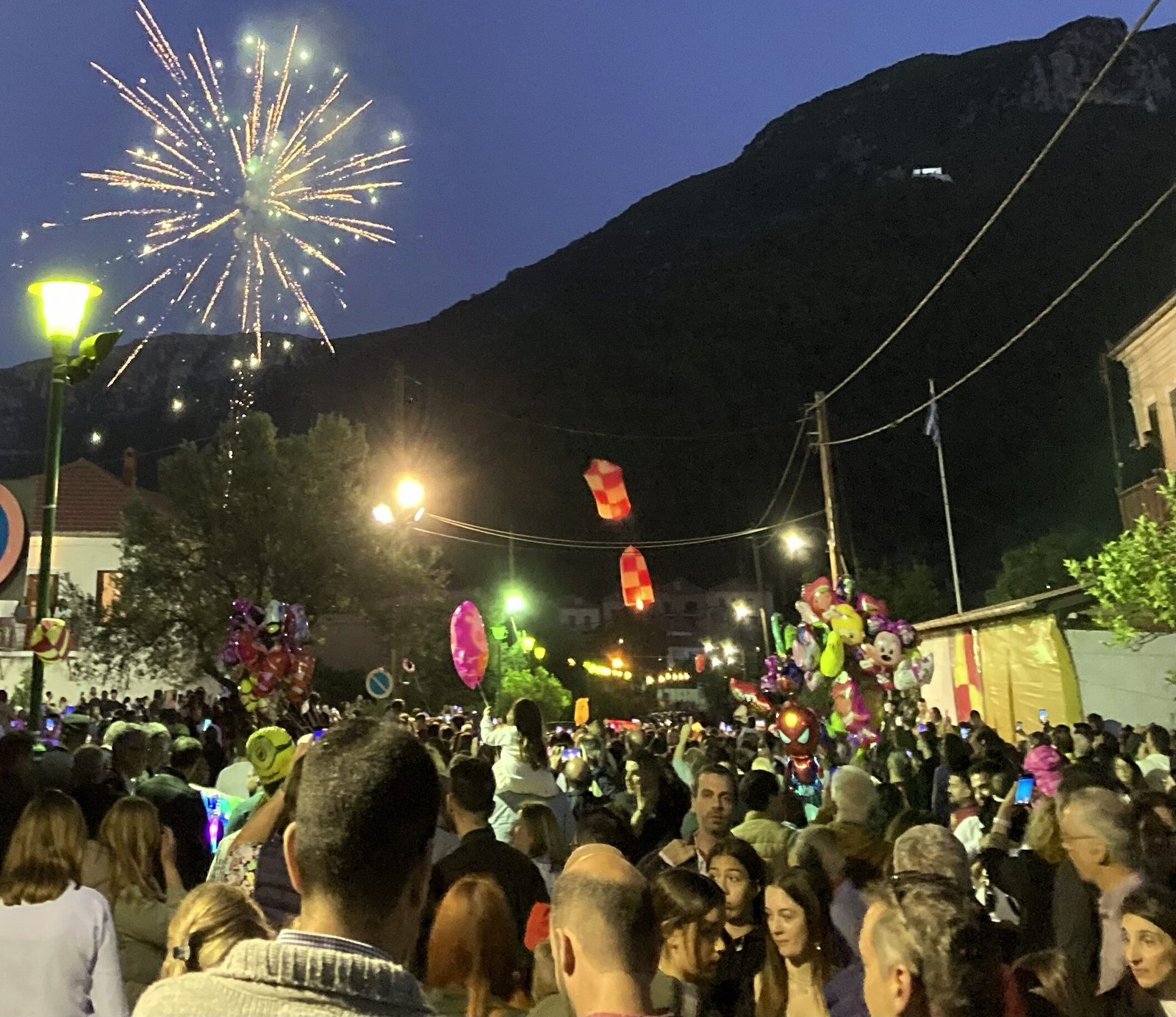
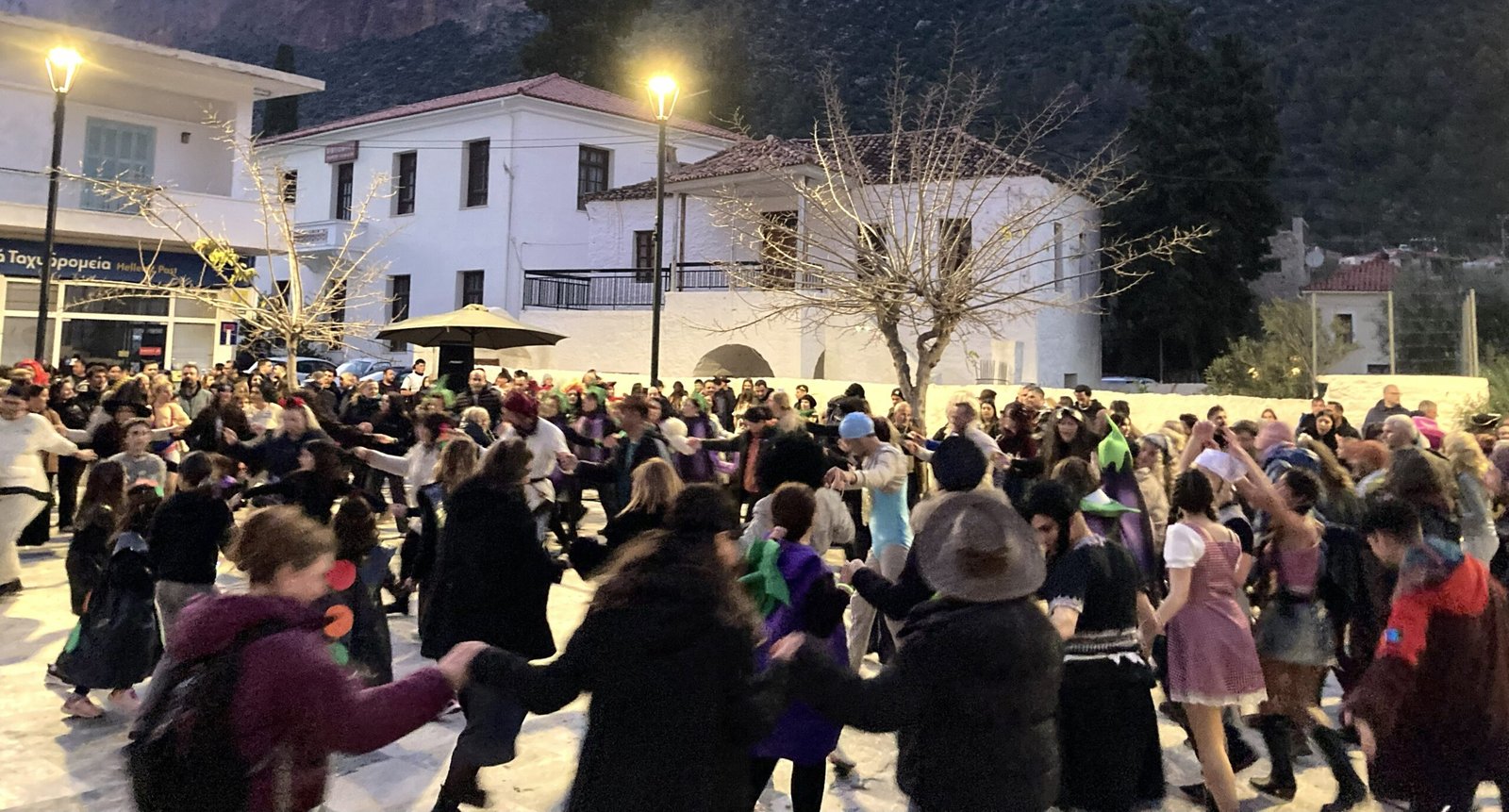
During Carnival, people of all ages dress up in costumes and masks. Larger towns organize parades, music and street parties, while smaller communities often celebrate with local music, dancing and gatherings in their main squares, the main event will happened on the last week and specially with the parades on the last weekend before Clean Monday.
Clean Monday – The beginning of Lent
Clean Monday marks the end of Carnival and the beginning of Lent. It is a public holiday celebrated outdoors with kite flying, picnics and traditional foods such as olives, seafood, vegetables, halva and lagana, a special flatbread.
Where to experience Carnival in Greece
Every region has its own character and traditions. Here are four destinations worth discovering.
Patras – The biggest Carnival in Greece
Located in the northern Peloponnese, Patras hosts Greece’s largest and most famous Carnival. Celebrations include spectacular floats, colorful costumes, night parades, music and street parties. The Grand Parade and the closing ceremony, featuring the symbolic burning of King Carnival, are the main highlights.
Galaxidi – The famous flour war
On Clean Monday, the coastal town of Galaxidi hosts Alevromoutzouromata, a traditional flour-throwing celebration. Locals and visitors cover each other in colored flour and soot, creating one of Greece’s most unusual and entertaining Carnival experiences. Wear clothes you do not mind getting dirty!
Naousa – A Carnival rooted in tradition
In northern Greece, Naousa is known for Genitsari and Boules, a traditional performance featuring elaborate costumes, masks, folk music and dancing. It offers a fascinating glimpse into the region’s cultural heritage.
Xanthi – Culture and celebration
Xanthi, in northeastern Greece, combines Carnival festivities with local folklore, music, traditional performances and cultural events. Its historic old town and multicultural character make it an interesting destination beyond the celebrations themselves.
What should visitors expect?
A few practical tips for planning your visit:
When? Carnival usually takes place in February or early March. Dates change every year according to Orthodox Easter.
As each place has its own traditions, most of the main events will take place during the final weekend, just before Clean Monday.Weather: Expect winter conditions. Sunny days are possible, but rain and cold temperatures are common, especially in the mountains.
Accommodation: Book early if visiting Patras during the final Carnival weekend.
Families: Many celebrations include children’s events and family-friendly activities, although some street parties are more suitable for adults.
Costumes: You do not need one to enjoy the celebrations, but dressing up is a fun way to participate.
Beyond the big cities: Smaller towns and villages often offer some of the most authentic local customs.
Is Carnival a good reason to visit Greece in winter?
Absolutely. Greece is often associated with summer holidays and island life, but winter offers a different perspective: traditional villages, local food, cultural events and a slower pace of travel.
The Peloponnese is particularly interesting during this season. From the Carnival of Patras to the mountain villages of Arcadia and the coastal communities of eastern Peloponnese, there is plenty to discover.
Around Leonidio and the Parnon mountains, visitors can explore traditional villages, walk ancient paths, enjoy local cuisine and discover the distinctive Tsakonian culture.
At Nomia Experience, we believe traveling is about connecting with places, people and their stories — in every season.
Nature. Culture. Adventure.
Whether you visit Greece for Carnival, a walking holiday or simply to explore somewhere new, there is always another side of the country waiting to be discovered.
Frequently Asked Questions about Apokries
What does Apokries mean?
It comes from apo-kreas, meaning away from meat, referring to the period before Orthodox Lent.
How long does Greek Carnival last?
The traditional Carnival season lasts three weeks, although celebrations in places like Patras begin much earlier.
When is Greek Carnival celebrated?
Usually in February or early March. The dates change every year according to Orthodox Easter.
What is Tsiknopempti?
Smoky Thursday, when people gather to enjoy grilled meat before the fasting period.
What is Clean Monday?
A public holiday marking the beginning of Lent, traditionally celebrated with kite flying, outdoor picnics and special fasting foods.
Where is the best place to celebrate Carnival in Greece?
Patras is the largest Carnival destination. Galaxidi, Naousa and Xanthi offer distinctive local traditions.
Is Greece worth visiting in February?
Yes. It is a good time to discover local culture, traditional towns and festivals, although visitors should be prepared for winter weather.
Planning a winter visit to the Peloponnese? Contact Nomia Experience to discover local experiences, walking routes, cultural activities and tailor-made trips in eastern Peloponnese, Greece.
Explore More Local Events
10\03\2025
Culture & Events

A Journey Through Greek Independence: From Ancient Glory to Modern Freedom
Uncover surprising facts, heroic battles, and lasting connections between Greece’s fight for freedom and its identity today.
15\04\2025
Culture & Events

A Celebration of Light, Creativity, and Community Leonidio`s Pascha
To the visitor, Easter in Leonidio feels timeless—like a scene plucked straight from ancient tradition. But the real story is even more magical.
15\09\2025
Destinations

Kastanitsa: The Chestnut Village of Mount Parnon
Centuries of history, mountain trails, and a festival that fills the village square with joy — Kastanitsa is a place where stone houses and timeless traditions welcome you into the heart of Mount Parnon.